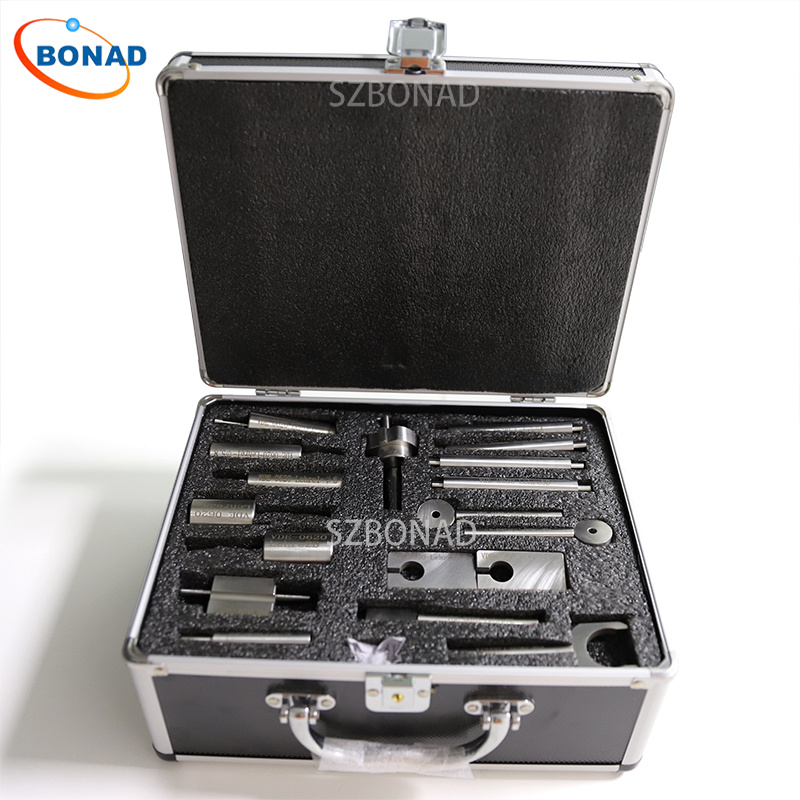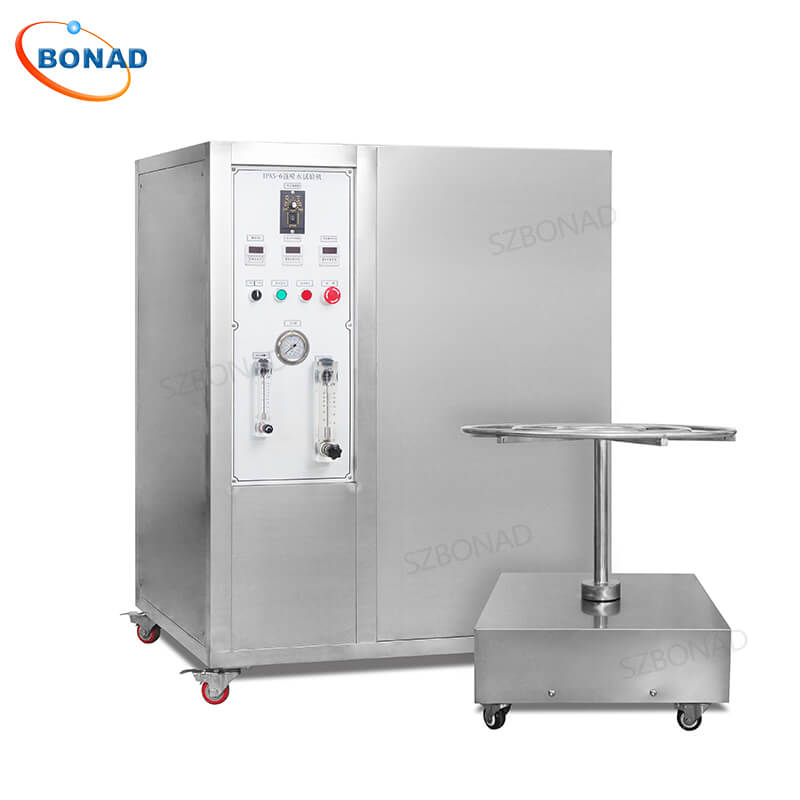
What is impact testing?
Impact testing is a reliability evaluation method used to assess how products or materials respond to sudden mechanical shocks such as drops, collisions, or high acceleration forces. It helps identify structural weaknesses, improve durability, and ensure compliance with standards like IEC 60068-2-27.
In practical applications, impact testing simulates real-world mechanical shock conditions that occur during transportation, handling, installation, and product use.
These events generate short-duration, high-intensity forces that may cause structural damage, internal component failure, or functional degradation.
According to international standards such as IEC 60068, environmental testing methods are used to evaluate how products withstand mechanical and climatic stresses throughout their lifecycle.
In simple terms: impact testing helps manufacturers detect failures before products reach the market.
Why Impact Testing Matters in Modern Manufacturing
For manufacturers, impact testing is not just a lab procedure—it directly affects:
✔ Product Reliability
Ensures products survive real-world shocks without failure
✔ Certification Compliance
Supports standards such as IEC 60068-2-27 and UN 38.3
✔ Cost Reduction
Minimizes returns, warranty claims, and recalls
✔ Brand Trust
Demonstrates quality and engineering capability
IEC 60068-2-27 specifically defines how products are subjected to controlled shock forces to evaluate resistance and identify weaknesses
Main Types of Impact Testing
Mechanical Shock Testing
Mechanical shock testing simulates controlled impulse forces over very short durations.
Typical waveforms include:
- Half-sine
- Sawtooth
- Trapezoidal
These waveforms are defined in standards such as IEC 60068-2-27 to replicate real-world shock conditions
Drop Testing
Drop testing simulates real-life events such as:
- Packaging drops
- Handling accidents
- Transportation impacts
Material Impact Testing
Material-level testing evaluates:
- Toughness
- Energy absorption
- Fracture resistance
Core Impact Testing Equipment
Mechanical Shock Tester
A mechanical shock tester is the primary equipment used in impact testing.
Key capabilities:
- Simulates IEC 60068-2-27 shock conditions
- Programmable shock waveforms
- High-precision acceleration control
- Repeatable testing cycles
Ideal for:
- Lithium battery testing (UN38.3)
- Electronics and PCB validation
- Automotive components
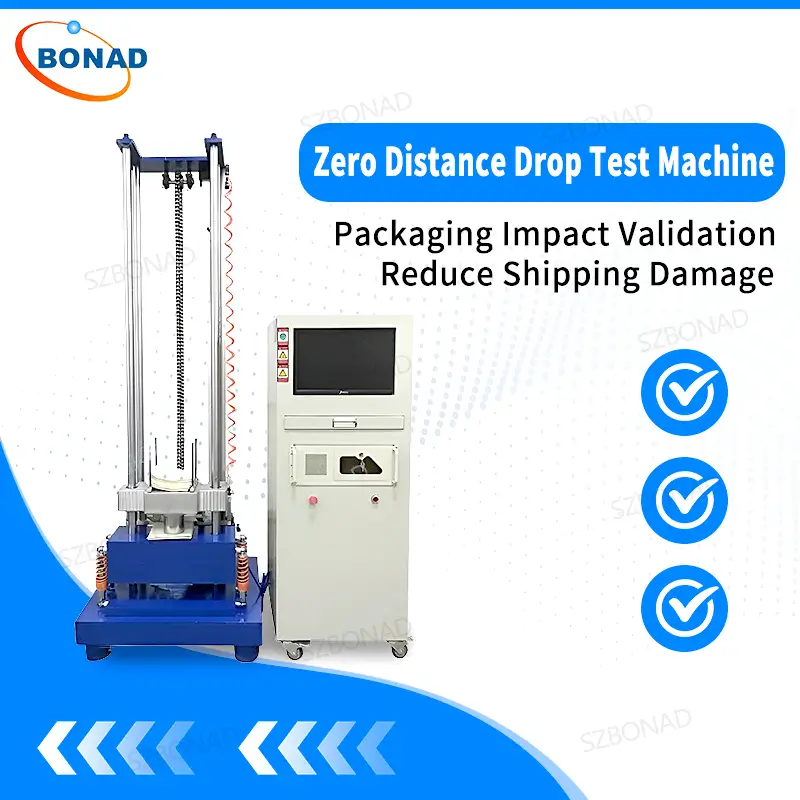
Drop Test Machine
This equipment simulates real-world drop scenarios.
Key benefits:
- Validates packaging strength
- Reduces transport damage
- Improves product protection design
Widely used in:
- Logistics testing
- Consumer electronics
- Packaging engineering
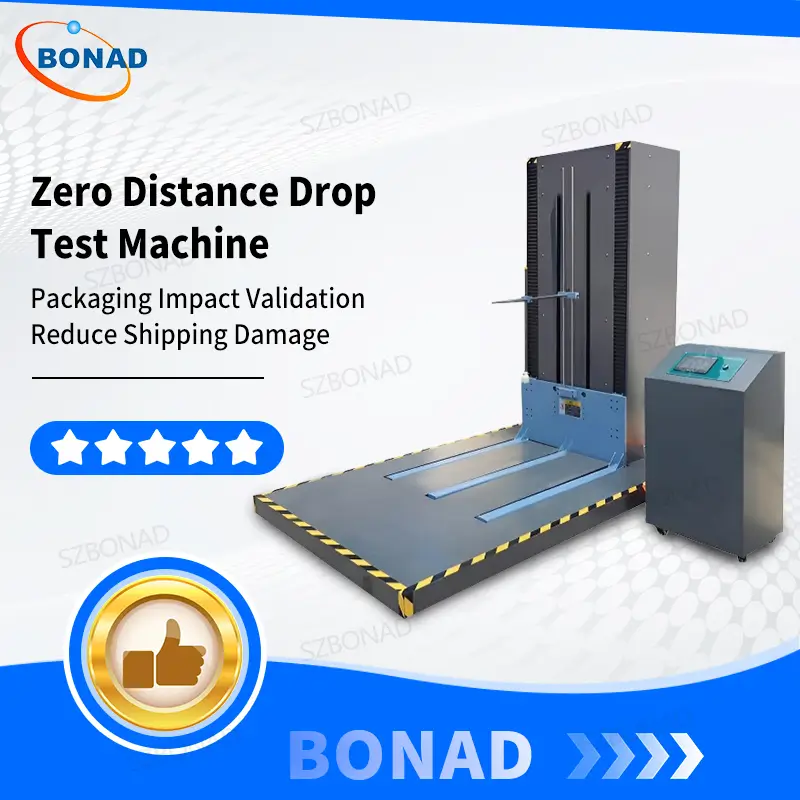
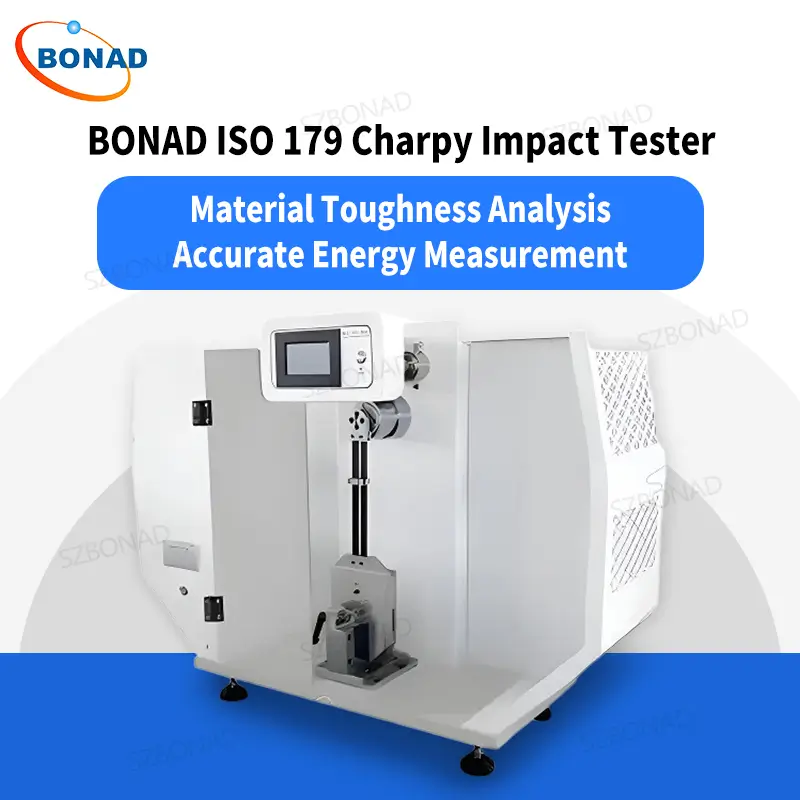
Charpy Impact Tester
The Charpy tester measures a material’s impact resistance and toughness.
Key features:
- Complies with ISO 179
- Measures absorbed energy during fracture
- Supports material R&D and quality control
Common in:
- Plastics industry
- Composite materials
- Laboratory testing
Key Impact Testing Standards
To ensure global compliance, manufacturers must follow international standards:
- IEC 60068-2-27 – Mechanical shock testing
- IEC 60068 series – Environmental testing framework
- UN 38.3 – Lithium battery transport safety
- ISO 179 – Material impact testing
These standards define:
- Test conditions
- Pulse shapes
- Severity levels
- Evaluation criteria
Key Parameters in Impact Testing
Understanding test parameters is essential for accurate results:
- Acceleration (g): determines shock intensity
- Pulse duration (ms): defines impact time
- Shock direction: X, Y, Z axes
- Shock response spectrum (SRS): evaluates system response
Advanced testing may use SRS synthesis to simulate complex real-world shock environments
How to Choose the Right Impact Testing Equipment?
When selecting equipment, consider:
✔ Test Standards
Does it comply with IEC / ISO / UN requirements?
✔ Application Scenario
- Product testing → shock tester
- Packaging → drop tester
- Materials → Charpy tester
✔ Performance Range
Acceleration, payload, and waveform capability
✔ Customization
Ability to adapt to your product and industry
Typical Industry Applications
Impact testing is widely used in:
- Lithium battery & energy storage
- Automotive electronics
- Consumer electronics
- Packaging & logistics
- Aerospace & defense
Impact Testing vs. Vibration Testing
| Test Type | Impact Testing | Vibration Testing |
|---|---|---|
| Duration | Short, sudden | Continuous |
| Force Type | Shock | Oscillation |
| Application | Drop / collision | Transport / operation |
Both tests are often combined for full reliability validation.
Looking for Reliable Impact Testing Equipment?
If your products need to meet international standards or improve durability, choosing the right testing solution is critical.
We provide:
- Mechanical shock testers (IEC 60068 compliant)
- Drop test machines for packaging validation
- Charpy impact testers for material analysis
- Custom testing solutions tailored to your needs
Contact us today to get a professional solution and quotation.
FAQ:
What is impact testing?
Impact testing evaluates how a product or material reacts to sudden mechanical shock, It simulates drops, collisions, or acceleration forces to assess durability and detect failures.
What is the principle of impact testing?
Impact testing applies a high-acceleration shock pulse over a short duration, Sensors measure the response to evaluate structural integrity and performance.
What standards are used for impact testing?
Common standards include IEC 60068-2-27, UN 38.3, IEC 62133, and ISO 179, They define test conditions, waveforms, and evaluation methods.
What is the difference between shock testing and drop testing?
Shock testing uses controlled acceleration, while drop testing simulates free fall, Both are used to evaluate impact resistance in different scenarios.
How do you choose impact testing equipment?
Choose based on application and standards, Use shock testers for products, drop testers for packaging, and Charpy testers for materials.
Why is impact testing important?
Impact testing helps prevent product failure and improve reliability, It ensures compliance, reduces risk, and enhances product quality.
Get the Right Impact Testing Solution
Choosing the right impact testing equipment is essential for ensuring product reliability and compliance.
Contact us today to get expert recommendations tailored to your testing requirements.