Mechanical testing is a fundamental process used to evaluate how materials and products behave under different types of forces. From raw material validation to finished product quality control, mechanical testing ensures strength, durability, safety, and compliance across industries such as automotive, electronics, construction, and manufacturing.
What is Mechanical Testing?
Mechanical testing refers to a series of standardized methods used to determine the mechanical properties of materials, such as strength, hardness, elasticity, and fatigue resistance.
These tests simulate real-world conditions by applying forces like tension, compression, bending, or impact to evaluate performance and reliability.
Mechanical testing plays a critical role in:
- Product design validation
- Quality control and inspection
- Material selection
- Regulatory compliance
According to industry standards, mechanical testing is essential for verifying whether materials meet required specifications and ensuring consistent performance across applications .
Key Types of Mechanical Testing
Mechanical testing covers a wide range of test methods. The most common categories include:
1. Strength Testing
These tests determine how much force a material can withstand before failure.
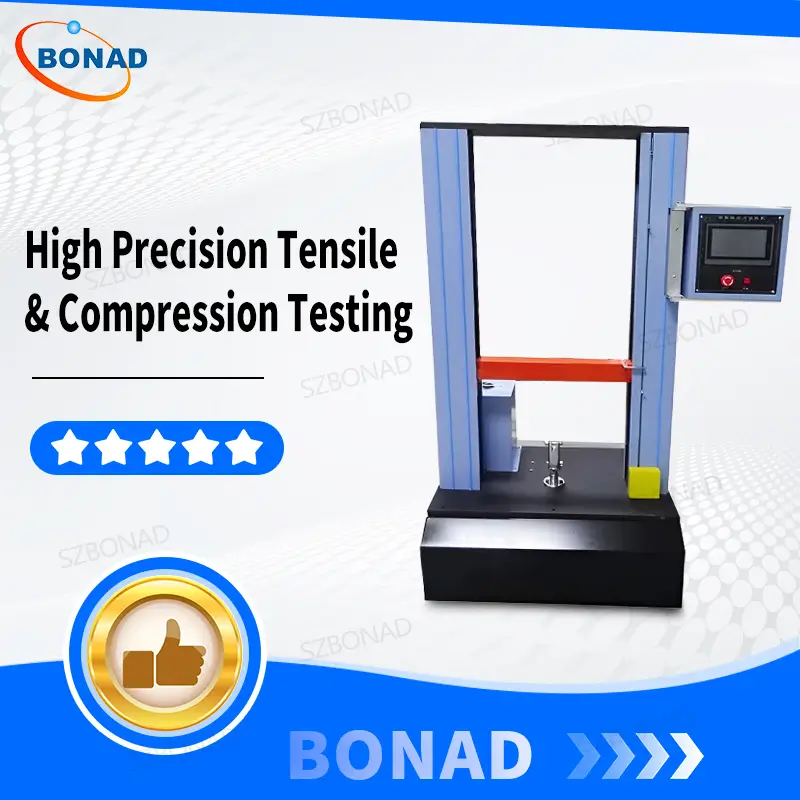
- Tensile Testing – Measures tensile strength, yield strength, elongation
- Compression Testing – Evaluates resistance to crushing loads
- Bending/Flexural Testing – Assesses deformation under bending stress
- Shear Testing – Measures resistance to sliding forces
2. Hardness & Material Property Testing
- Rockwell Hardness Test
- Brinell Hardness Test
- Vickers Hardness Test
Hardness testing evaluates resistance to indentation and wear, commonly used in metals and coatings.
3. Impact Testing
- Charpy Impact Test
- Izod Impact Test
These tests measure a material’s ability to absorb energy during sudden impacts, which is critical for safety-critical applications.
4. Fatigue & Durability Testing
- Fatigue Testing – Evaluates performance under repeated loading cycles
- Cycle Life Testing – Determines product lifespan
- Creep Testing – Measures deformation under long-term stress
Fatigue and fracture testing are widely standardized (e.g., ASTM E466, E606, E647) and are essential for long-life components .
5. Functional & Product Testing
Used for finished products and components:
- Torque Testing
- Push/Pull Force Testing
- Wear & Abrasion Testing
- Spring Testing
These tests simulate real usage conditions and are especially important for consumer products, locks, connectors, and mechanical assemblies.
Major Mechanical Testing Standards
Mechanical testing must follow internationally recognized standards to ensure accuracy, repeatability, and global acceptance.
1. ASTM Standards (USA)
Widely used across industries:
- ASTM E8 – Tensile testing of metals
- ASTM A370 – Mechanical testing of steel (tension, bend, hardness, impact)
- ASTM D638 – Tensile testing of plastics
ASTM standards define test methods, equipment requirements, and procedures, ensuring reliable and comparable results worldwide .
2. ISO Standards (International)
- ISO 6892 – Tensile testing of metals
- ISO 527 – Plastics tensile testing
- ISO 7800 – Torsion testing
ISO standards provide globally harmonized testing frameworks and terminology .
3. Other Common Standards
- IEC (for electronic/mechanical product testing)
- GB/T (China national standards)
- EN (European standards)
Key Features of Mechanical Testing
Mechanical testing systems offer several important characteristics:
✔ Accuracy & Repeatability
Standardized procedures ensure consistent results across different labs.
✔ Simulation of Real Conditions
Tests replicate real-world stress scenarios such as load, vibration, and impact.
✔ Wide Material Compatibility
Applicable to metals, plastics, rubber, composites, and finished products.
✔ Data-Driven Decision Making
Provides quantitative data for engineering design and quality control.
Applications of Mechanical Testing
Mechanical testing is used across almost every industrial sector:
Manufacturing & Industrial Products
- Material qualification
- Production quality control
- Supplier verification
Automotive & Aerospace
- Fatigue and durability testing
- Structural safety validation
Electronics & Consumer Goods
- Button life testing
- Connector insertion force
- Structural strength validation
Construction & Materials
- Concrete compression testing
- Steel tensile testing
Mechanical testing is essential to ensure that materials meet performance requirements before being used in critical applications.
Important Considerations in Mechanical Testing
To obtain reliable and meaningful results, the following factors must be carefully controlled:
1. Sample Preparation
Improper specimen size, shape, or surface condition can affect results.
2. Test Environment
Temperature, humidity, and loading speed influence material behavior.
3. Equipment Calibration
Testing machines must be calibrated according to standards (e.g., ISO/IEC 17025 references) .
4. Standard Compliance
Using the correct standard ensures data comparability and acceptance.
5. Data Interpretation
Mechanical test results can vary due to material variability, processing conditions, and testing parameters .
Choosing the Right Mechanical Testing Equipment
When selecting mechanical testing equipment, several key factors should be carefully evaluated to ensure optimal performance and compliance:
- Supported test types (tensile, compression, fatigue, etc.)
- Load capacity and accuracy
- Compliance with ASTM / ISO standards
- Automation and software capabilities
- Customization options
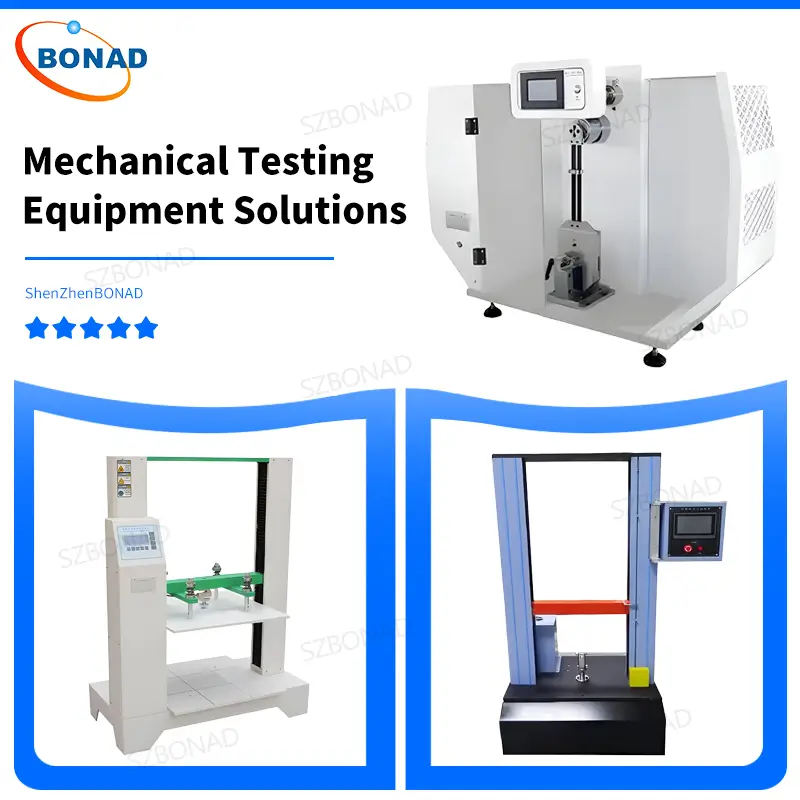
View full range of solutions:
Mechanical Testing Machines
Conclusion
Mechanical testing is a critical process that ensures materials and products meet required performance, safety, and durability standards. By combining standardized methods, advanced equipment, and accurate data analysis, manufacturers can reduce failure risks, improve product quality, and enhance customer satisfaction.
For laboratories, manufacturers, and quality control teams, investing in reliable mechanical testing equipment is essential for long-term success in a competitive global market.
Frequently Asked Questions (Mechanical Testing)
1. What is mechanical testing and why is it important?
Mechanical testing evaluates how materials or products respond to forces such as tension, compression, bending, and impact. It ensures product strength, durability, and compliance with international standards like ASTM and ISO.
2. What types of mechanical testing can your equipment perform?
Our equipment supports a wide range of tests, including tensile, compression, bending, hardness, fatigue, and torque testing. Solutions can also be customized based on your specific application requirements.
3. How do I choose the right mechanical testing equipment?
Choosing the right equipment depends on factors such as test type, load capacity, accuracy requirements, and applicable standards. Our technical team can recommend the most suitable solution based on your testing needs.
4. Do you provide customized solutions and pre-sales support?
Yes, we offer customized testing solutions tailored to your products and standards. Before purchase, we provide technical consultation, solution recommendations, and detailed specifications to help you make the right decision.
5. What after-sales services do you offer?
We provide full after-sales support, including installation guidance, operation training, technical assistance, spare parts supply, and ongoing maintenance support to ensure long-term stable operation.