1. What Is Salt-Fog Testing?
Salt-fog testing—also called salt spray testing or corrosion testing—is a laboratory method used to determine the corrosion resistance of materials, coatings, and electrical components. It exposes samples to a controlled, salty, humid atmosphere inside a salt-fog test chamber.
This accelerated simulation helps predict how materials perform in real-world corrosive environments, such as coastal, industrial, or marine regions. Industries that rely on salt-fog testing include automotive, aerospace, railway, electronics, and consumer goods.
By maintaining a controlled and repeatable test environment, engineers can obtain accurate and consistent corrosion data to improve product design and durability.
2. Why Is Salt Spray Testing Important?
Salt is one of the most aggressive and unavoidable chemical compounds on Earth. Materials exposed to saline environments undergo physical, chemical, and electrical degradation over time.
Corrosion Effects
- Electrochemical corrosion reactions.
- Stress corrosion acceleration.
- Formation of acidic or alkaline solutions due to salt ionization.
Electrical Effects
- Impaired performance of electrical components.
- Formation of conductive layers.
- Corrosion of insulating materials and metallic surfaces.
Physical Effects
- Binding or clogging of moving parts.
- Paint blistering and coating damage.
Common materials tested include steel, brass, and zinc alloys (zamak). These tests reveal how coatings protect substrates under long-term salt exposure.
3. How Salt Spray Corrosion Testing Works
Chamber Environment
A salt-fog chamber creates a controlled corrosive environment using:
- Salt concentration: Usually 5% sodium chloride solution.
- Fog density: Uniform mist for even sample exposure.
- pH level: Between 6.5 and 7.2, similar to seawater.
- Temperature: Maintained around 35°C (95°F) to accelerate corrosion safely.
Test Duration
Exposure time depends on the test objective and customer requirements:
- Typical duration: 24 to 1,000 hours.
- Standard tests: 48–72 hours for initial corrosion assessments.
Throughout the test, specimens are regularly inspected for rust, pitting, or coating degradation.
4. Evaluation and Result Analysis
After testing, samples undergo:
- Visual inspection: Checking for corrosion, blistering, or rust.
- Functional testing: Ensuring electrical or mechanical performance remains unaffected.
These evaluations determine whether the product meets industry standards and customer quality expectations.
5. BONAD’s Salt Spray Testing Equipment
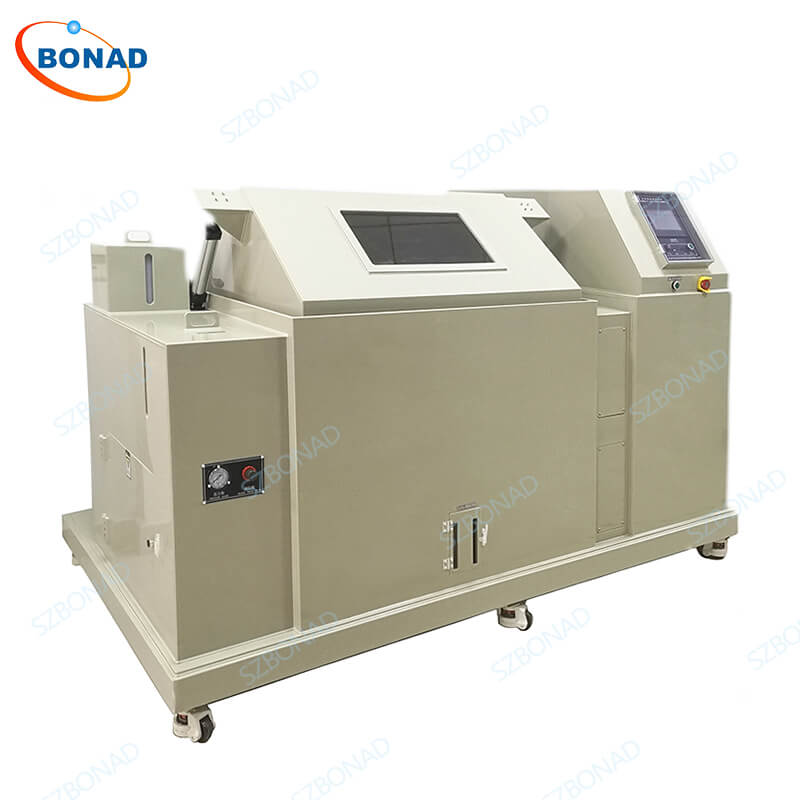
BONAD Test Equipment designs and manufactures advanced salt spray chambers for precise and repeatable corrosion testing. Our chambers meet international standards such as ISO, IEC, ASTM, DIN, EN, GB, and UL.
Key Features
- Supports salt spray, condensation, and combined corrosion testing.
- Available in custom-built extra-large chambers for automobiles, drones, and large machinery.
- Fully compliant with CE, ISO17025, and CNAS certifications.
BONAD also produces a complete range of test instruments:
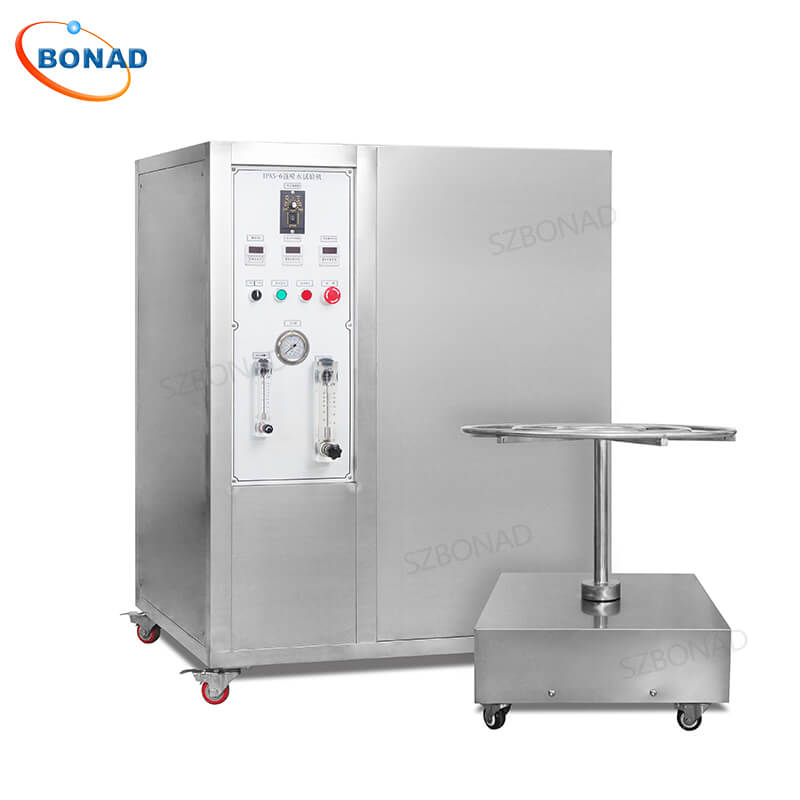
- Waterproof Test Equipment
- Environmental Test Chambers
- Battery and Flammability Test Chambers
- Mechanical and Electrical Testing Machines
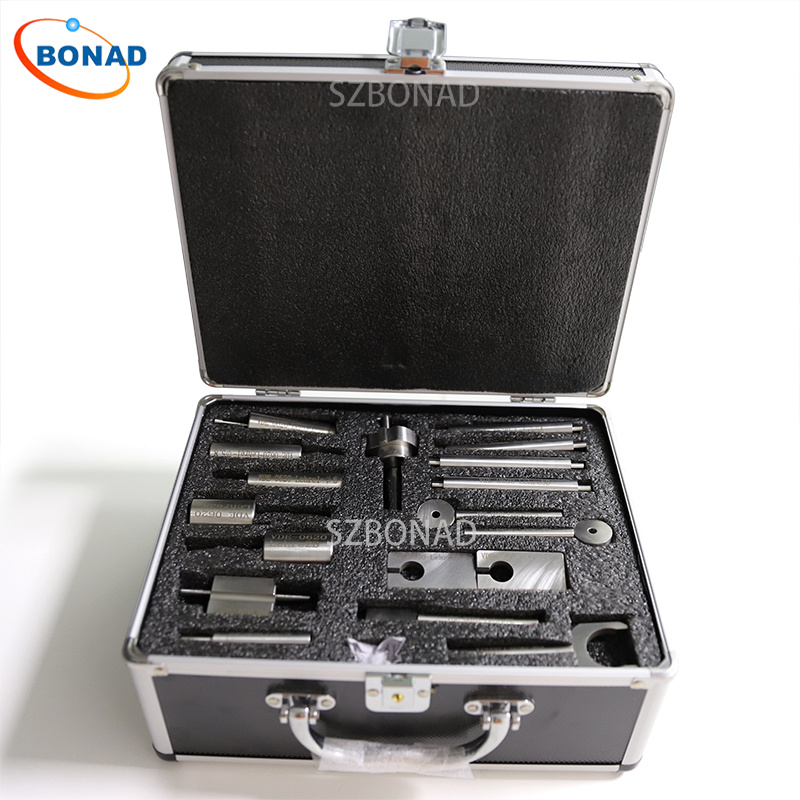
- Safety Testing Equipment and Go/No-Go Gauges
Each solution is engineered for accuracy, durability, and international compliance, ensuring reliable results for R&D and production quality control.
6. Why Choose BONAD?
With decades of experience in testing technology, BONAD provides:
- Customizable test chambers for unique applications.
- Technical expertise to meet strict industrial standards.
- End-to-end testing solutions for global clients in automotive, aerospace, and electronics industries.
Ready to test your products against corrosion?
👉 Contact BONAD today for a quote and ensure your materials meet the highest durability standards.