As technology advances, ensuring that electrical and electronic equipment remains reliable under various environmental conditions is critical. The Ingress Protection (IP) Code, defined by the IEC 60529 standard, specifies levels of protection against dust, solid particles, and liquids.
Among these classifications, IP1X to IP4X testing focuses on solid particle protection, helping manufacturers verify that enclosures safeguard internal components from harmful intrusion.
Understanding IP1X–IP4X Solid Particle Protection
Each IP rating level corresponds to a specific level of protection against solid objects:
- IP1X: Protects against objects larger than 50mm
- IP2X: Protects against objects larger than 12.5mm
- IP3X: Protects against objects larger than 2.5mm
- IP4X: Protects against objects larger than 1mm
These tests are essential to confirm that users are protected from accidental contact with hazardous parts and that devices operate safely in their intended environments.
How IP1X–IP4X Testing Is Conducted
IP1X Testing Procedure
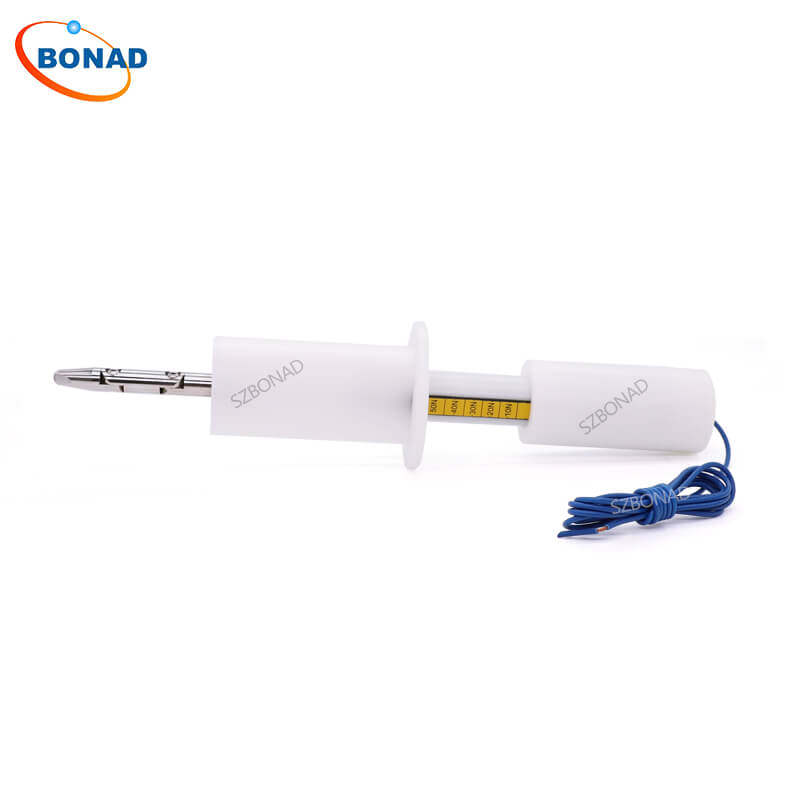
- Use a 50mm test finger with 10N force.
- Move across accessible surfaces.
- Check for any contact with internal live parts.
IP2X Testing Procedure
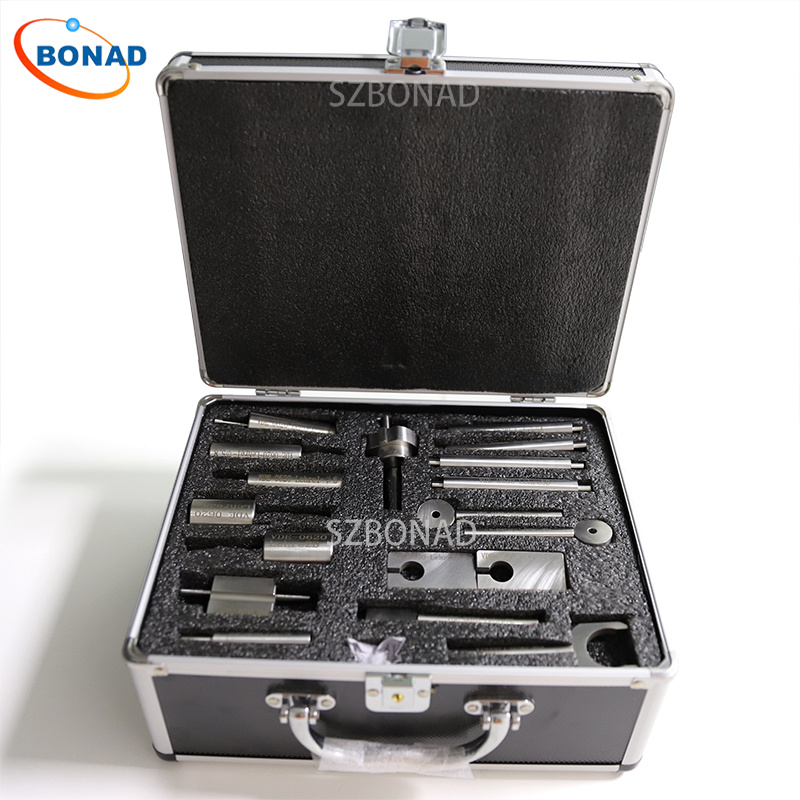
- Use a 12.5mm wire probe.
- Insert with sufficient pressure.
- Inspect for any access to hazardous components.
IP3X Testing Procedure
- Use a 2.5mm test wire.
- Insert and move through possible openings.
- Verify no contact with live or moving parts.
IP4X Testing Procedure
- Use a 1mm diameter probe.
- Move across all accessible areas.
- Confirm full protection from small solid particles.
Common Causes of IP1X–IP4X Test Failures
Even well-designed enclosures may fail due to:
- Poor gasket sealing or misalignment
- Loose fastening mechanisms
- Inadequate material selection for environmental resistance
- Missing or improper dust filters
- Weak or inconsistent assembly quality
Preventing these issues during design and manufacturing improves test success rates and ensures long-term reliability.
Why IP1X–IP4X Testing Matters
- Enhanced Protection – Prevents solid object intrusion and equipment damage.
- Reliability and Performance – Ensures consistent operation under real-world conditions.
- User Safety – Reduces risk of contact with live parts.
- Standards Compliance – Required for IEC 60529 certification and global market access.
- Market Differentiation – Demonstrates quality and durability to customers.
Beyond IP4X: Higher-Level IP Testing
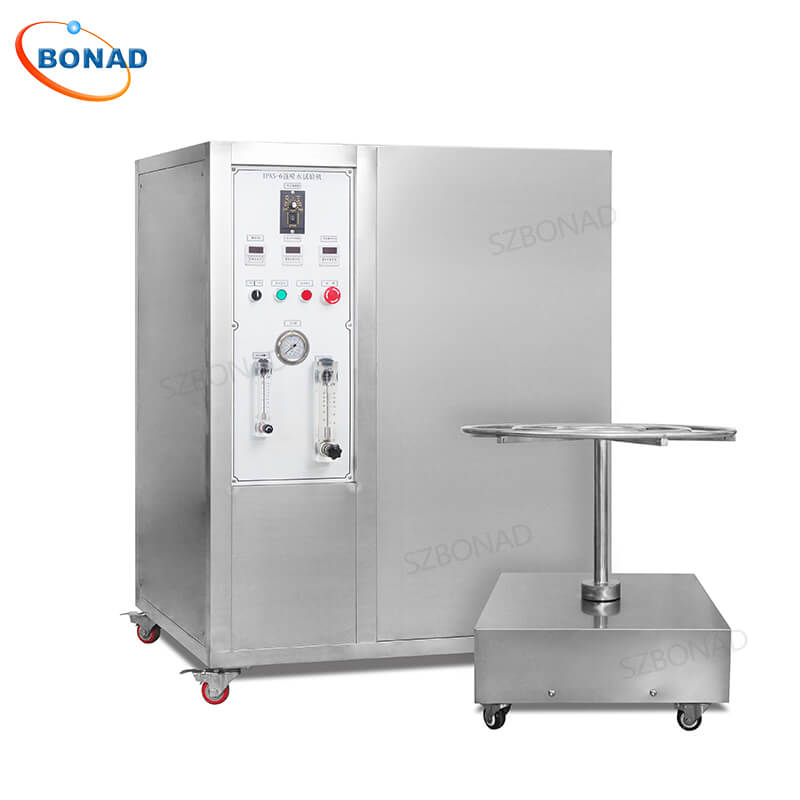
For more demanding applications, such as outdoor or industrial environments, higher IP ratings like IP6X or IP69K provide stronger protection against dust and high-pressure water jets. Manufacturers seeking IP69K certification must ensure their devices withstand extreme conditions—ideal for automotive, food processing, and industrial equipment.
Professional Ingress Protection Testing Equipment by BONAD
BONAD offers a full range of Ingress Protection (IP) test equipment designed to meet IEC 60529 and other international standards.
Our product range includes:
- Waterproof Test Equipment
- Environmental Test Chambers
- Battery and Flammability Test Chambers
- Electrical Appliance Testers
- Safety Test Finger Probes and Gauges
- Vehicle and Mechanical Testing Equipment
All BONAD instruments comply with global standards such as ISO, IEC, ASTM, EN, UL, and GB, and most products are CE, ISO17025, and CNAS certified.
We provide customized solutions, fast quotes, and comprehensive after-sales support, ensuring our clients achieve accurate, reliable testing results.
Conclusion
Conducting IP1X–IP4X ingress protection testing is an essential step in designing and certifying durable, safe, and compliant electronic products. With BONAD’s advanced IP testing equipment and industry expertise, manufacturers can achieve global compliance and deliver trusted products to the market.