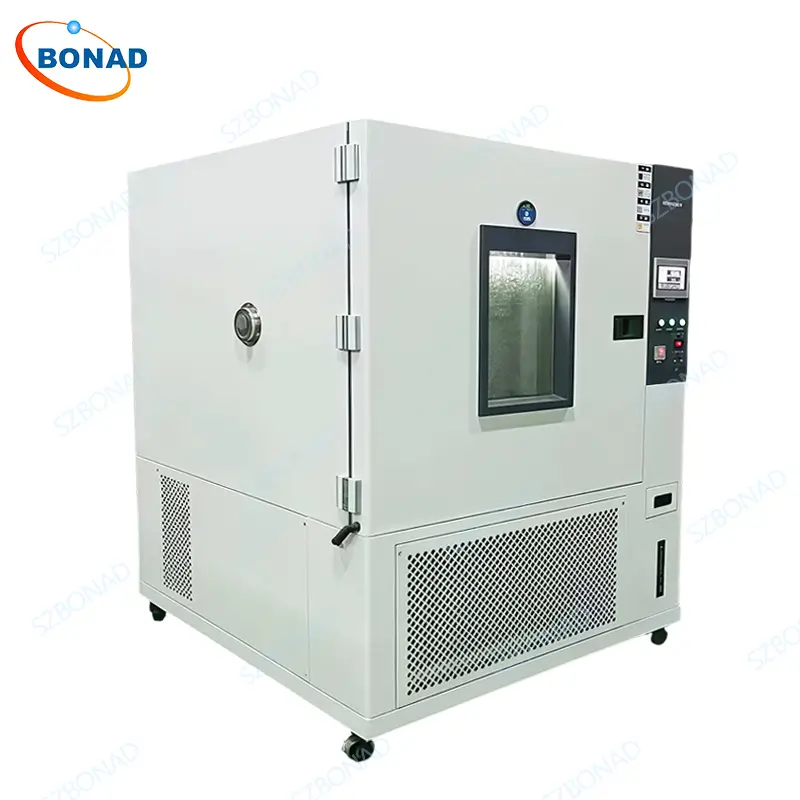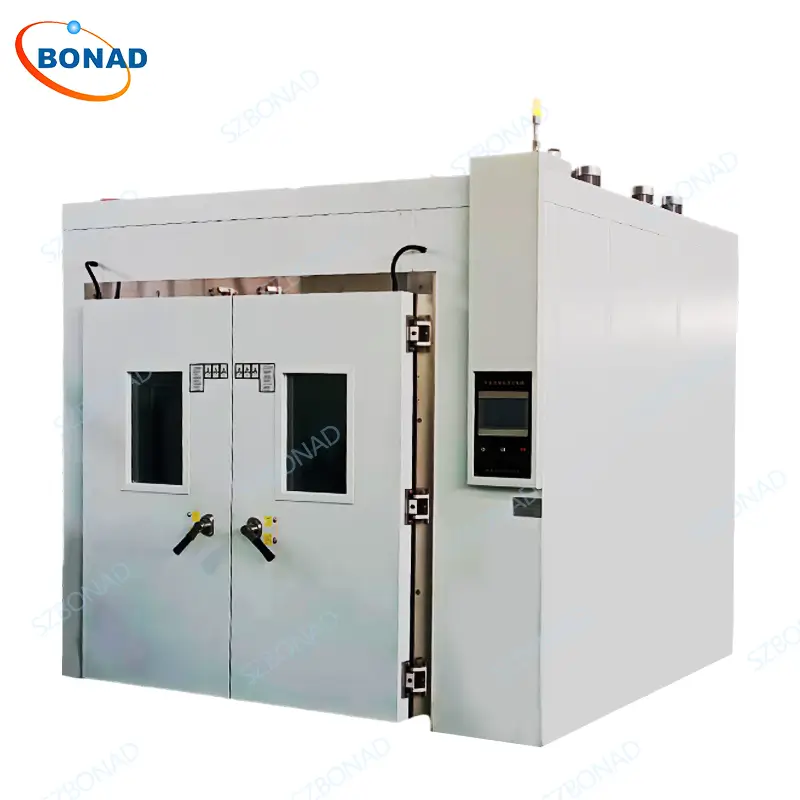
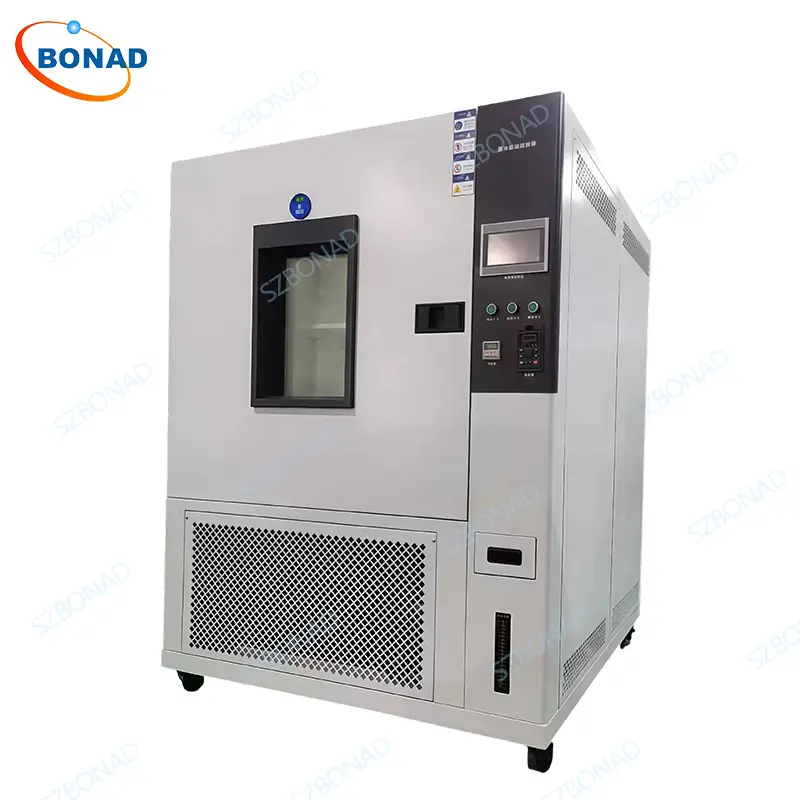
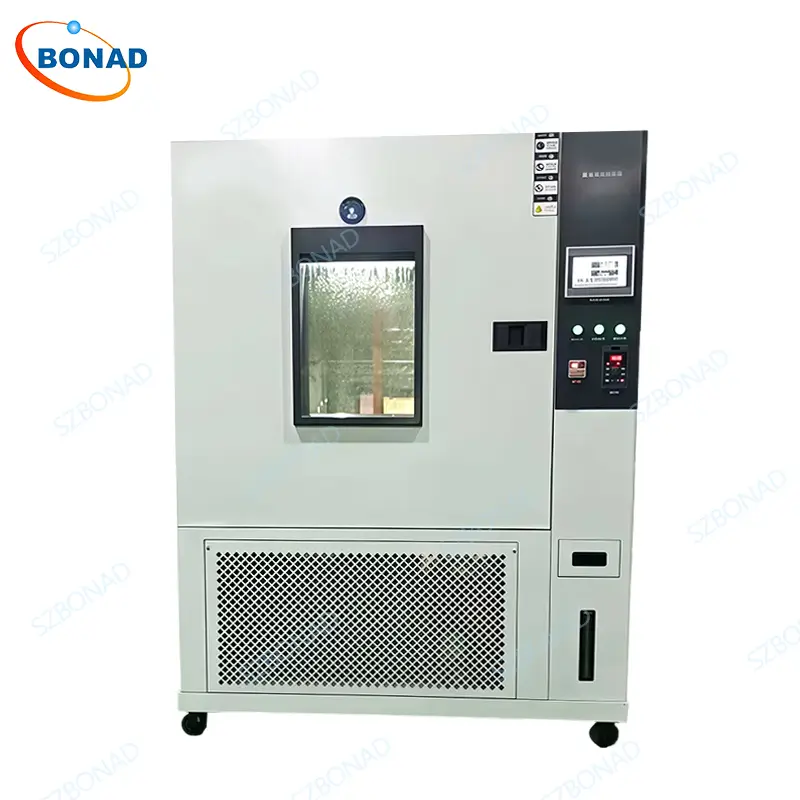
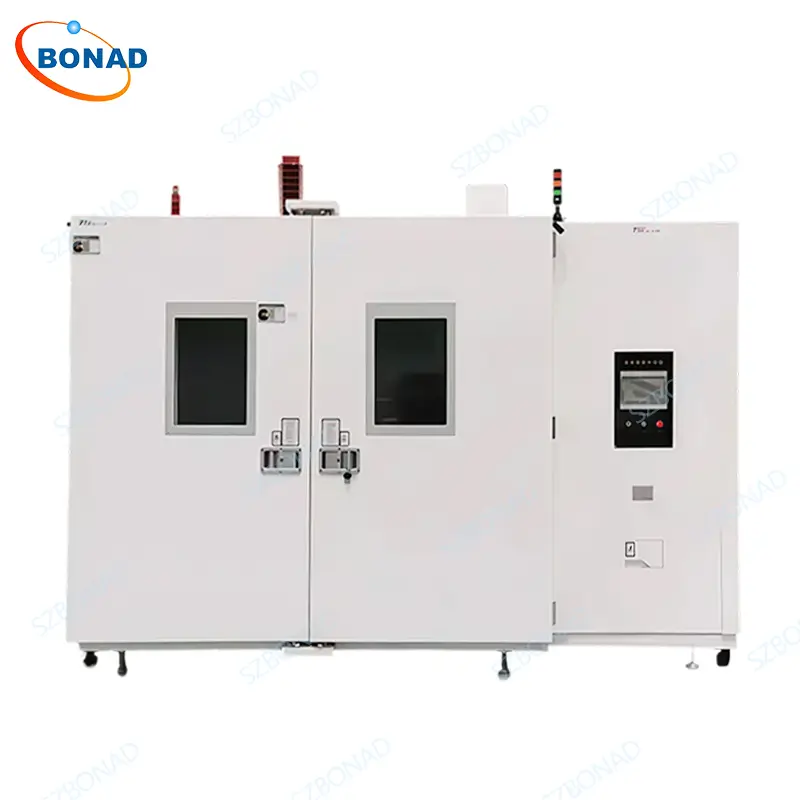
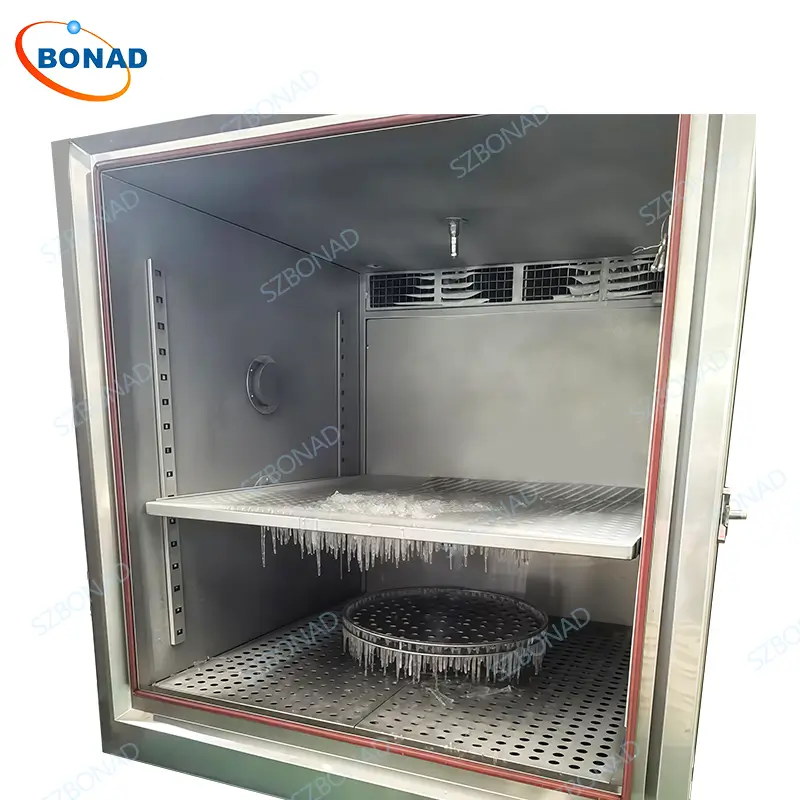
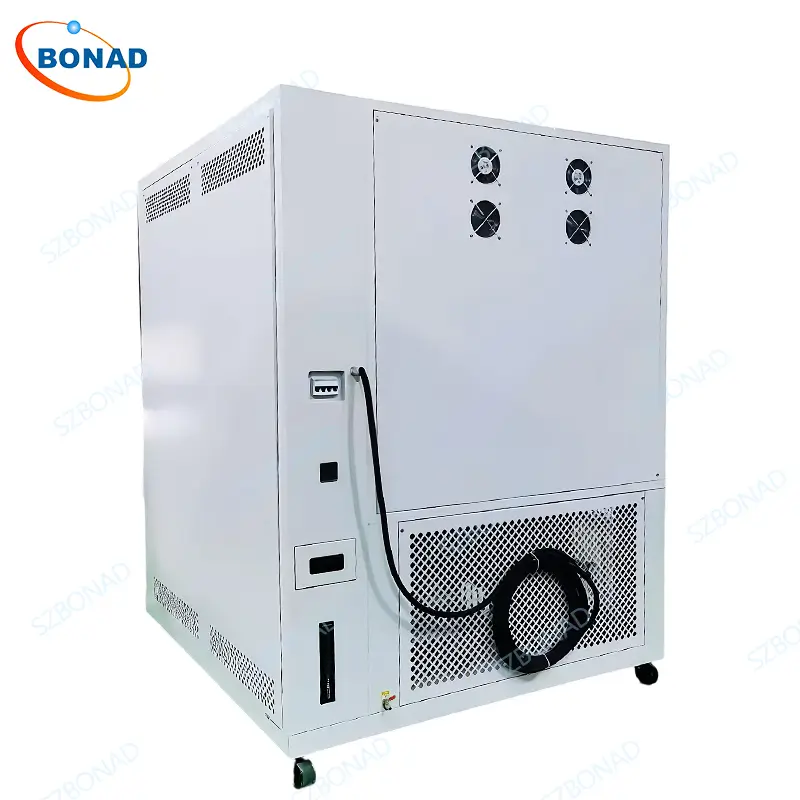
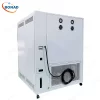
Ice Covered Test Chamber – Artificial Icing Lab – BONAD Environmental Test Chamber
Key Applications
This versatile chamber is critical for testing in numerous sectors:
- Power & Electrical Industry: Testing composite insulators, power line components, insulators, and electrical equipment under icing and polluted conditions.
- Aerospace: Research and certification testing for wing de-icing systems, engine inlets, sensors, and aerodynamic surfaces (aligned with FAA and SAE standards).
- Wind Energy: Evaluating ice accretion on wind turbine blades and its impact on performance and structural integrity.
- Automotive & Rail: Testing sensors, cameras, and braking systems in icy conditions.
- Scientific Research: Studying the fundamental physics of ice accretion and the environmental impact on materials and structures.
Standards Compliance
Our ice-covered test chambers are designed to meet rigorous international testing standards, including:
- ISO 12494: Atmospheric icing of structures (The authoritative international standard for icing loads).
- IEC 60815: Selection and dimensioning of insulators for polluted conditions (covers icing).
- IEC 60060-1: High-voltage test techniques.
- FAA AC 20-73A: Aircraft ice protection system certification guidance.
- SAE ARP5485: Definitions of icing terms for aerospace.
- SAE ARP5907: Calibration and test methods for aircraft flight in icing conditions.
Note: Chambers can be customized to meet specific client or additional standard requirements.
Technical Features & Advantages
- Precise Climate Simulation: Independently controls temperature, wind speed (0-10 m/s+), precipitation, humidity (30%-98% RH), and supercooled water droplet parameters.
- Robust Construction:
- Exterior: Heat and cold-resistant stainless steel plate with baking paint finish.
- Interior: SUS#304 stainless steel plate for superior durability and corrosion resistance.
- Insulation: High-efficiency rigid polyurethane foam and fiberglass to ensure thermal stability.
- Standard Configuration Includes:
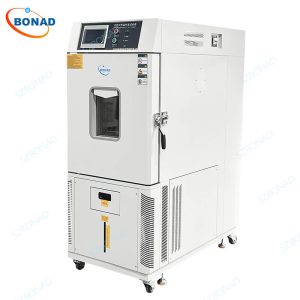
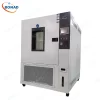
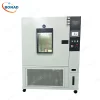
- Observation window with transparent electrically heated membrane and insulated glass.
- 50mm cable port (left side).
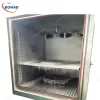
- Sample holders.
- Interior light.
- Casters for mobility.
- Power cable (3m length).
- Simulation Capabilities:
- Natural wind during icing events.
- Rain with various conductivity levels.
- Supercooled water droplets (fog).
- Clean fog and pollution.
- Condensation humidity at different temperatures.
- Fixed Sample Testing: Designed for static tests where the sample (e.g., composite insulators) is fixed in place without automatic rotation.
Testing Capabilities
The chamber is engineered to perform a comprehensive suite of environmental tests:
- Low-Temperature Testing: Evaluating environmental endurance from -40°C to 0°C.
- High-Humidity Testing: Testing performance at relative humidity levels between 30% and 98%.
- Icing Accretion Testing: The core function, combining wind speeds (0-10 m/s) with sub-zero temperatures (e.g., -5°C, -10°C) to create controlled ice buildup.
Model / Specifications:
| Model | Inner Chamber Volume |
|---|---|
| BND-ICTC-1 | 1 m³ |
| BND-ICTC-2 | 2 m³ |
| BND-ICTC-4 | 4 m³ |
| BND-ICTC-8 | 8 m³ |
Technical Parameters:
| Item | Specification |
| Temperature Range | -40℃ ~ +60℃ |
| Humidity Range | 40%RH ~ 95%RH |
| Temperature & Humidity Fluctuation | ±0.5°C / ±2.5%RH |
| Temperature & Humidity Uniformity | ±2°C / ±3%RH ~ ±5%RH |
| Rainfall Rate Range | 0 ~ 5 mm/min |
| Wind Speed Range | 0 ~ 10 m/s (adjustable by inverter) |
| Icing Condition | Droplet fineness: 60–200 μm |
| Spray Nozzles | 1 set of 5 nozzles (diameter 1–5 mm), 3 sets available for manual replacement |
| Water Pressure | Adjustable between 0.1–1 MPa (air source provided by user) |
| Outer Chamber Material | Painted stainless steel, heat and cold resistant |
| Inner Chamber Material | SUS#304 stainless steel, heat and cold resistant |
| Control System | 7-inch touchscreen temperature & humidity controller (Model: TH1800) |
| Refrigeration System | France Tecumseh compressor, cascade refrigeration, DuPont R404A & R23 refrigerants |
| Heating System | Electric heating tube |
| Humidification & Dehumidification System | Electronic proportional control micro-mist humidifier with 3 imported reed switches; stainless steel steam cylinder with water-level window; dew point (ADP) laminar flow dehumidification |
| Air Circulation System | Multi-blade centrifugal fan, aluminum alloy impeller, high/low temperature resistant; forced convection FLOW-THROW air circulation |
| Protection Devices | No-fuse breaker; compressor overpressure/overheat/overcurrent protection; over-temperature protection; fan overload; fuse; dry-burn protection; water shortage protection |
| Standard Accessories | Observation window (heated glass); 50mm cable port (left side); 2 sample racks; interior light; 4 casters; 3m power cable |
| Power Supply | AC 380V ±10%, 50Hz, 3-phase 5-wire system (3 live wires, 1 neutral, 1 ground) |